




Anabolic Steroid Myths Debunked: What You Still Get Wrong in 2025
When it comes to anabolic steroids, misinformation is everywhere. From gym locker room talk to sensationalized headlines, myths have dominated the conversation for decades. But here we are in 2025, and many people still repeat outdated half-truths that science has long disproven. Anabolic steroids remain one of the most controversial performance enhancers in the world—not because of what they actually do, but because of the stigma, confusion, and fear surrounding them. The truth is far more nuanced, and understanding it is essential whether you’re an athlete, a bodybuilder, or someone simply curious about the science.
Steroid myths persist because they’re easy to repeat but harder to research. By breaking them down, we can separate fiction from fact, giving athletes the clarity they need to make educated choices. In this article, we’ll debunk three of the most common myths about anabolic steroids in 2025: that they instantly turn you into a “muscle monster,” that they are universally unsafe with no medical applications, and that recovery and balance are impossible once you start using them.
Myth 1: Steroids Instantly Turn You Into a Massive Muscle Monster
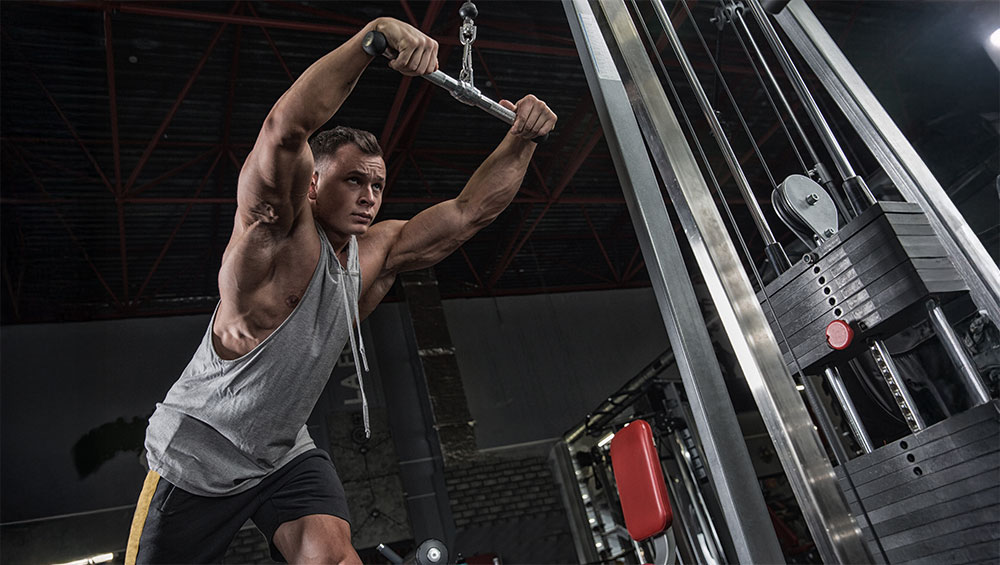
One of the most enduring myths about anabolic steroids is that the moment you inject or swallow a pill, you’ll wake up looking like a competitive bodybuilder. Movies, media, and even memes reinforce the idea that steroids equal instant bulk. The reality, however, is far more complex—and far less magical. Steroids are not genie lamps granting instant size; they are performance enhancers, meaning they amplify the results of training and nutrition but never replace them.
According to a study published in the Reviews in Endocrine and Metabolic Disorders, anabolic steroids increase protein synthesis and muscle hypertrophy primarily in the presence of resistance training. Put simply, without lifting weights, eating enough calories, and recovering properly, results remain minimal. Steroids give the body more potential, but they don’t bypass the fundamental laws of muscle building.
Here’s what actually happens inside the body:
- Enhanced Protein Synthesis – Steroids increase nitrogen retention, which is crucial for muscle repair and growth. This allows the body to rebuild stronger fibers after training stress.
- Increased Strength Potential – Users may notice faster strength progression, letting them lift heavier loads that stimulate greater hypertrophy.
- Improved Recovery Windows – Recovery times shrink, enabling more frequent and intense training sessions.
Still, steroids do not supply the fuel. Without a surplus of calories and protein-rich meals, muscles simply won’t grow. A user taking Testosterone Enanthate, Dianabol, or Deca Durabolin won’t transform overnight—they must still commit to disciplined eating and structured training programs.
Consider this analogy: steroids are like installing a turbocharger on a car engine. The potential for higher horsepower is there, but without proper fuel, maintenance, and a skilled driver, the car won’t perform. Similarly, athletes must align steroids with rigorous gym work, sleep, and meal planning to see dramatic changes.
This is why even within bodybuilding, results differ drastically. One lifter on a cycle might gain lean, steady size because their diet is clean and training is precise, while another gains little more than water weight because they lack consistency. Many bodybuilders also complement their cycles with compounds like Anavar or Primobolan when they want leaner growth rather than sheer bulk.
The myth that steroids equal instant bulk ignores the science: they don’t make the work easier—they make the results of your hard work more noticeable.
Myth 2: Steroids Are Universally Unsafe and Have No Medical Purpose
Another myth that stubbornly refuses to die is that steroids are purely dangerous, illegal substances with no legitimate use. While it’s true that misuse or abuse of anabolic steroids carries risks, the narrative that they’re always unsafe ignores decades of medical research and clinical application.
In medicine, anabolic steroids have been prescribed for conditions such as muscle wasting, delayed puberty, and certain types of anemia. For example, testosterone replacement therapy (TRT) is a widely accepted treatment for hypogonadism. According to the Mayo Clinic, testosterone therapy can improve energy, mood, and muscle mass in men with low levels. Far from being outlawed across the board, steroids remain tools in the hands of physicians—when used responsibly.
The key distinction is between therapeutic use and performance enhancement. In controlled medical settings, compounds like Testosterone Cypionate and Nandrolone Decanoate are carefully dosed to restore hormonal balance and improve quality of life. Outside of medicine, athletes may push doses higher to amplify muscle growth, which can lead to side effects if mismanaged.
It’s also worth noting that safety varies significantly depending on the compound. For instance:
- Lower-Risk Options – Anavar and Primobolan are often favored in cutting and lean bulking cycles for their comparatively mild profiles.
- Higher-Risk Compounds – Trenbolone or Superdrol carry more potential for side effects and therefore require strict monitoring.
The blanket statement “steroids are unsafe” is misleading. The truth is that risks depend on compound choice, dose, cycle length, and whether the user manages recovery correctly. Just as with any powerful tool, education and responsibility determine whether the outcome is positive or negative.
Myth 3: Once You Start, Recovery and Balance Are Impossible
Perhaps the most damaging myth of all is the belief that once you use steroids, you’ve permanently altered your body in a way that makes natural recovery impossible. This idea has scared countless lifters away from cycles, but it’s not entirely accurate. While long-term misuse can suppress natural testosterone production, responsible athletes know that smart post-cycle therapy (PCT) protocols exist precisely to restore hormonal balance.
How PCT Works
During a cycle, anabolic steroids signal the body to downregulate its own testosterone production. The body, sensing a surplus of external androgens, slows or halts natural output. Once the cycle ends, this can leave users in a hormonal valley—low energy, reduced libido, and potential muscle loss—if no intervention takes place.
That’s where PCT comes in. Compounds commonly used include:
- Clomid – stimulates natural testosterone production.
- Nolvadex – prevents estrogen rebound and supports hormonal balance.
- Arimidex or Aromasin – used during cycles to manage estrogen and limit side effects.
Physical Recovery Beyond Hormones
Recovery isn’t just hormonal—it’s also about protecting muscles, tendons, and joints stressed by heavy training. Many athletes integrate recovery-focused agents to maintain performance and reduce downtime:
- BPC-157 – supports tendon and ligament repair.
- TB500 – promotes healing and reduces inflammation.
- Somatropin HGH – often used long-term to aid recovery, sleep, and lean mass preservation.
Tools That Make Recovery Easier in 2025
The fitness community is smarter about recovery than ever before, thanks to new tools and better information. Common strategies include:
- Regular Blood Work – hormone panels before, during, and after cycles to measure recovery progress.
- Sleep Optimization – prioritizing 7–9 hours of deep rest to restore hormonal function.
- Diet & Stress Management – protein-rich diets and reduced stress to support natural testosterone rebound.
- Structured Cycle Planning – keeping cycle lengths and doses moderate to reduce recovery burden.
Why the Myth Is Wrong
The myth that “once you start, you can never stop” is rooted in fear, not fact. Responsible users who follow structured cycles, implement PCT correctly, and monitor health regularly, often return to normal baseline function without lasting issues. Thanks to evolving research and recovery protocols, athletes in 2025 are better equipped than ever to maintain long-term balance.
Conclusion
Steroids remain one of the most misunderstood topics in the fitness world. In 2025, myths continue to circulate because they’re easy to repeat and harder to challenge. The truth, however, is clear: steroids don’t magically make you huge, they’re not universally unsafe, and recovery is absolutely possible when managed correctly.
Instead of relying on hearsay, athletes should ground their understanding in science, structured supplementation, and proper cycle management. By dispelling these myths, lifters can approach their goals with realistic expectations and safer practices.
If you’re ready to take control of your performance journey, explore our wide range of growth, recovery, and support products at Canadian Made Labs. For more in-depth strategies, check out our blog on The Science of Lean Bulking. And if you have questions about cycles, stacks, or recovery protocols, don’t hesitate to contact us.
The biggest myth of all? That you don’t need to keep learning—because in bodybuilding, knowledge is the ultimate performance enhancer.


