




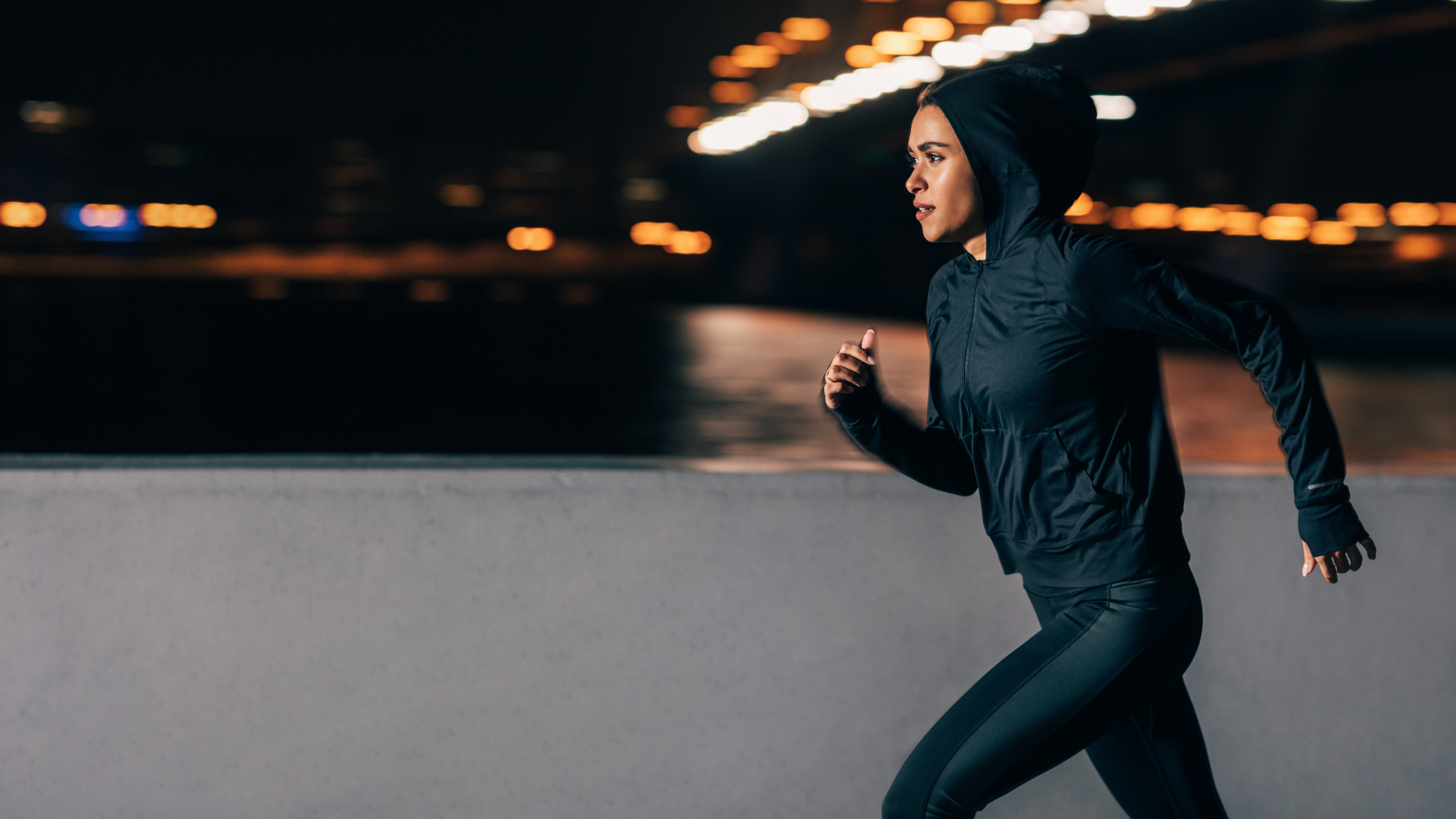
Training Through Shorter Days: Adjusting Your Schedule When the Daylight Disappears
When autumn turns to winter, the shift in daylight does more than change the clock; it completely reshapes your daily energy, motivation, and training environment. This biological shift leaves many athletes feeling sluggish, unmotivated, and prone to seasonal fatigue. However, shorter days do not mean your physical progress has to stall. By adapting your daily schedule, optimizing your routine, and leveraging targeted nutritional and wellness tools, you can maintain momentum all year long.
Re-Engineering Your Daily Timing and Environment
When daylight disappears, relying on sheer willpower to power through late-evening sessions rarely works long-term. Adjusting to winter conditions requires a strategic overhaul of when and where you train, ensuring your environment supports performance rather than hindering it.
Practical Steps to Adapt Your Schedule
- Shift your training window to the morning or mid-day: Moving your workouts to early morning or taking advantage of a lunch break allows you to train while natural sunlight is still available. Even 20 minutes of daylight exposure during a noon session can help stabilize your internal clock and elevate afternoon energy levels.
- Optimize your indoor lighting setup: If training after dark is unavoidable, bright, full-spectrum indoor lighting can trick your body into feeling alert. Avoid warm, dim lighting in your workout area, as it signals to your brain that it is time to wind down.
- Prepare everything the night before: Decision fatigue is significantly higher during cold, dark months. Lay out your workout gear, prep your shaker bottles, and organize your equipment before going to bed. Eliminating friction points makes it much easier to execute your session without second-guessing your plan.
- Leverage warm-up protocols aggressively: Cold ambient temperatures increase joint stiffness and reduce muscle elasticity. Dedicate an extra 5 to 10 minutes to dynamic mobility and light cardio before lifting to elevate core body temperature and prevent injuries.
Adjusting your training time often means managing changes in muscle recovery, energy, and hormonal balance. According to research, seasonal variations in daylight can profoundly alter baseline metabolic rate and physical endurance. Many experienced athletes who shift to intense morning training routines utilize specialized recovery and hormone support protocols to ensure they recover fully between sessions.
If you are running performance cycles during the winter, maintaining optimal recovery parameters through structured support regimens (such as using Post Cycle Therapy like Nolvadex or Clomid) helps protect muscle retention and restore internal balance. Integrating targeted recovery support like BPC-157 5mg also helps protect soft tissue and maintain performance when external stressors accumulate.
Optimizing Energy, Motivation, and Nutrition for Darker Months
Darker days often coincide with increased cravings for dense, comfort foods and a noticeable drop in daily physical activity. To keep your body composition on track and your energy high, your nutritional and supplementation strategies must evolve alongside the season.
Data from National Institutes of Health indicates that seasonal shifts in light exposure lead to noticeable changes in mood, appetite, and energy regulation, making proactive lifestyle management essential. Managing energy effectively during winter involves aligning your nutrition with your daily demands rather than letting seasonal fatigue dictate your habits.
Seasonal Nutrition and Protocol Checklist
- Audit your Vitamin D and nutrient intake: Lower sunlight exposure drastically reduces natural synthesis. Ensuring baseline levels remain adequate supports immune function, muscle recovery, and overall vitality throughout the winter months.
- Align carbohydrate intake around workouts: Consume complex carbohydrates before your session to provide sustained fuel, and reserve fast-digesting carbs for post-workout replenishment. This prevents mid-day energy crashes caused by heavy winter meals.
- Utilize targeted metabolic and endurance support: When energy drops, specific performance options can assist in maintaining work capacity. Athletes frequently turn to products like GW-501516 (Cardarine) or SR9009 to support stamina and endurance during tough workouts.
- Manage body composition actively: If cold weather keeps you indoors, browsing our full range of Fat Burners like Clenbuterol or T3 can assist in keeping metabolism high. Alternatively, exploring compounds like Semaglutide or Tirzepatide can help manage appetite during inactive periods.
- Support tissue health and peptide signaling: Reduced movement during cold weather can lead to stiff connective tissue. Incorporating targeted options such as TB500, CJC-1295 with DAC, or Ipamorelin from our broader Peptides line offers valuable structural recovery support.
For those looking to maintain lean mass through winter bulking phases, researching options from our SARMs category (such as RAD-140, MK-2866 (Ostarine), or LGD-4033) provides non-steroidal pathways for muscle building. If boosting appetite and growth hormone output is the goal, MK-677 is another popular addition to cold-weather routines.
Protecting Sleep, Recovery, and Hormonal Harmony
The lack of natural sunlight during winter directly impacts the body’s delicate endocrine balance. Clinical insights from the International Journal of Innovative Technologies in Social Science highlight how disruptions in light exposure disrupt circadian stability, leading to poor sleep architecture, disrupted cortisol rhythms, and sluggish recovery. When your sleep quality degrades, your capacity to handle heavy training loads drops alongside it.
During long winter training blocks, staying proactive with your recovery tools makes the difference between making steady gains or hitting a wall:
- Managing Estrogen and Hormonal Control: When running heavy cycles from our Injectables section (such as Testosterone Enanthate, Testosterone Cypionate, or blend options like Sustanon 250) keeping estrogen levels balanced is critical. Utilizing effective options from our Anti-Estrogen category like Aromasin, Arimidex, or Letrozole prevents unwanted side effects like water retention and gynecomastia.
- Oral Enhancements and Lean Mass: Athletes looking for convenient dosing often choose items from our Orals catalog. Options like Anavar, Dianabol, Turinabol, or Winstrol help keep strength and hardness high throughout the off-season.
- Growth Hormone and Vitality: Supporting recovery at the cellular level is made simpler with premium options from our HGH selection, including high-grade Somatropin 191aa HGH and Blue Tops HGH.
- Administration Equipment: Ensuring safety and precision is paramount. Stocking up on clean, sterile supplies like BD Luer Lok Syringes, Insulin Needles, or 18 Gauge Draw Needles from our Syringes and Accessories tab guarantees hassle-free execution of your protocol. Don’t forget to keep essentials like Bacteriostatic Water on hand for smooth reconstitution.
- Overall Wellness Support: Winter stress can also impact performance outside the gym. Exploring options in our Sexual Aids section (such as Cialis or Viagra) helps maintain blood flow, stamina, and overall vitality year-round.
Conclusion
Shorter days and disappearing daylight do not have to compromise your hard-earned progress. By restructuring your daily schedule to capture early light, optimizing your indoor environment, adjusting your nutritional strategies, and prioritizing active recovery, you can maintain high performance regardless of what the weather is doing outside. Winter provides the ideal setting to build consistency away from distractions. Take control of your routine, equip yourself with the right tools, and make this season your most productive training block yet.
If you have questions about selecting the right products or optimizing your regimen, browse the full store at Canadian Made Labs or reach out directly to get personalized assistance tailored to your fitness goals.


